
Commercial cleaning standards provide a structured approach that allows companies to meet expectations consistently while adhering to regulatory requirements.
Benefits of Adhering to Cleaning Standards
Large facilities trust Ottawa Commercial cleaners to handle tasks requiring specialized cleaning expertise. Implementing recognized cleaning standards brings multiple advantages for businesses:
- Enhanced Workplace Hygiene: Ensures surfaces, equipment, and facilities are cleaned systematically, reducing the risk of illness.
- Employee Wellbeing: A clean environment promotes health and boosts morale, contributing to productivity and staff satisfaction.
- Positive Customer Impressions: Consistent cleanliness helps create a welcoming environment, reflecting professionalism and reliability.
- Regulatory Compliance: Standardized cleaning protocols help companies meet health and safety regulations, minimizing legal risks.
These benefits underline why commercial cleaning standards have become a cornerstone for companies that prioritize both operational efficiency and employee satisfaction.
Key Components of Commercial Cleaning Standards
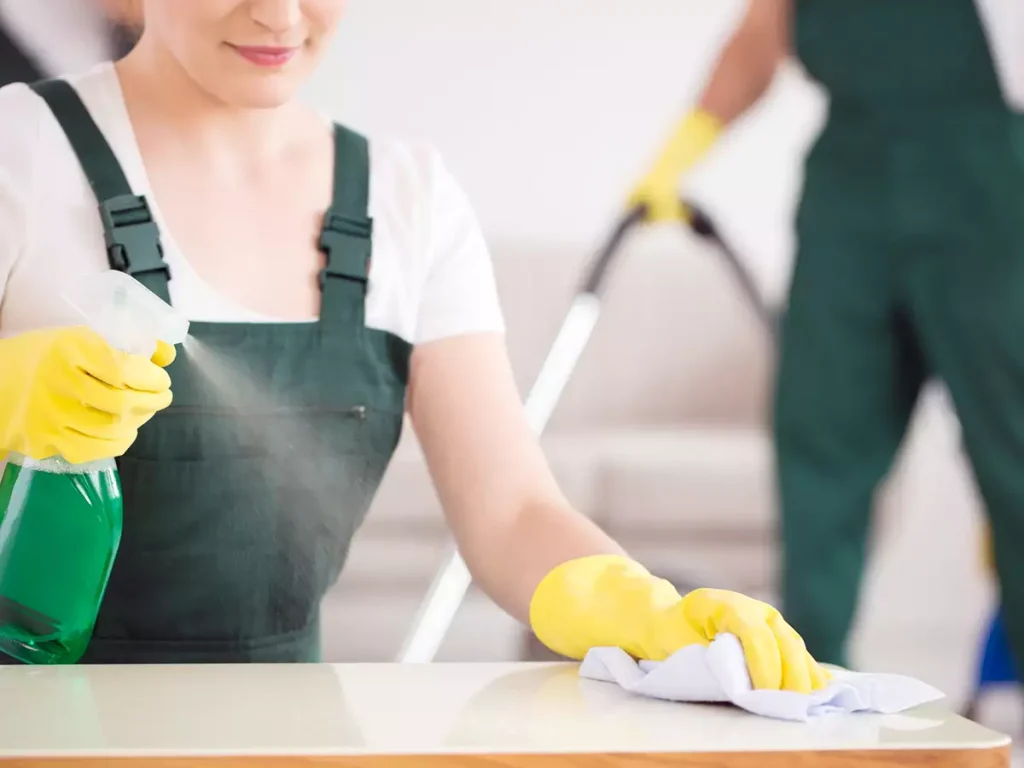
Commercial cleaning standards define the expectations, frequency, and procedures required for effective maintenance. Essential elements include:
- Cleaning Protocols: Detailed instructions for disinfecting surfaces, floors, and high-touch areas.
- Frequency Guidelines: Specifies how often cleaning should occur, from daily routines to periodic deep cleans.
- Quality Audits: Regular assessments ensure cleaning meets established benchmarks, maintaining consistency across facilities.
- Training Requirements: Staff education guarantees proper techniques are followed, reinforcing safety and hygiene standards.
By integrating these components, businesses can achieve predictable results and maintain a high standard of cleanliness.
Meeting Industry and Legal Expectations
Compliance is a critical aspect of commercial cleaning. Many sectors, such as healthcare, hospitality, and corporate offices, face stringent requirements. Adhering to cleaning standards ensures that:
- Health regulations are consistently met, protecting both employees and visitors.
- Workplace hazards are minimized, supporting risk management initiatives.
- Documentation and reporting are simplified, providing verifiable proof of compliance during inspections or audits.
This structured approach reassures stakeholders that a business operates responsibly and professionally.
Driving Operational Excellence Through Standards
Beyond compliance, cleaning standards drive efficiency and operational excellence. Companies can optimize resources by:
- Streamlining processes to reduce wasted time and materials.
- Prioritizing areas with high traffic or contamination risk.
- Implementing measurable performance metrics to continuously improve service quality.
These strategies not only enhance cleanliness but also strengthen overall business performance.
Conclusion
Commercial cleaning standards serve as a critical framework for businesses aiming to maintain hygiene, meet expectations, and ensure regulatory compliance. By adopting structured protocols, conducting regular audits, and training staff effectively, companies can create safer, healthier, and more welcoming environments. In turn, these efforts build confidence among employees, customers, and partners, highlighting the value of investing in professional cleaning standards.
